Leave Your Message
The need to optimize office spaces cannot be overstated in the fast-moving business world of today. A Global Market Insight report valued the Office Furniture market at over $200 billion by 2025, and a considerable portion of this demand is attributed to the rising interest in multifunctional office cabinets that direct space usage and organization purposes. As companies design intelligent workspaces for productivity and health, the need for office cabinets becomes paramount. They build a sense of style and ergonomic composition, while equally facilitating the organization of the workspace.
At Guangdong Junshi Intelligent Furniture Co., Ltd. office cabinets have a recognized place in the design of today's workplace. The innovative spirit guides us to create office furniture solutions that combine modern technology with ergonomic design. We closely follow industry reports for the latest insights that tell us how good maintenance and after-market service strategies help cut down costs and prolong the life of office cabinetry. By following these five time-tested approaches, organizations will be able to obtain maximum value from their office cabinets, at the same time ensuring functionality and efficiency for years.
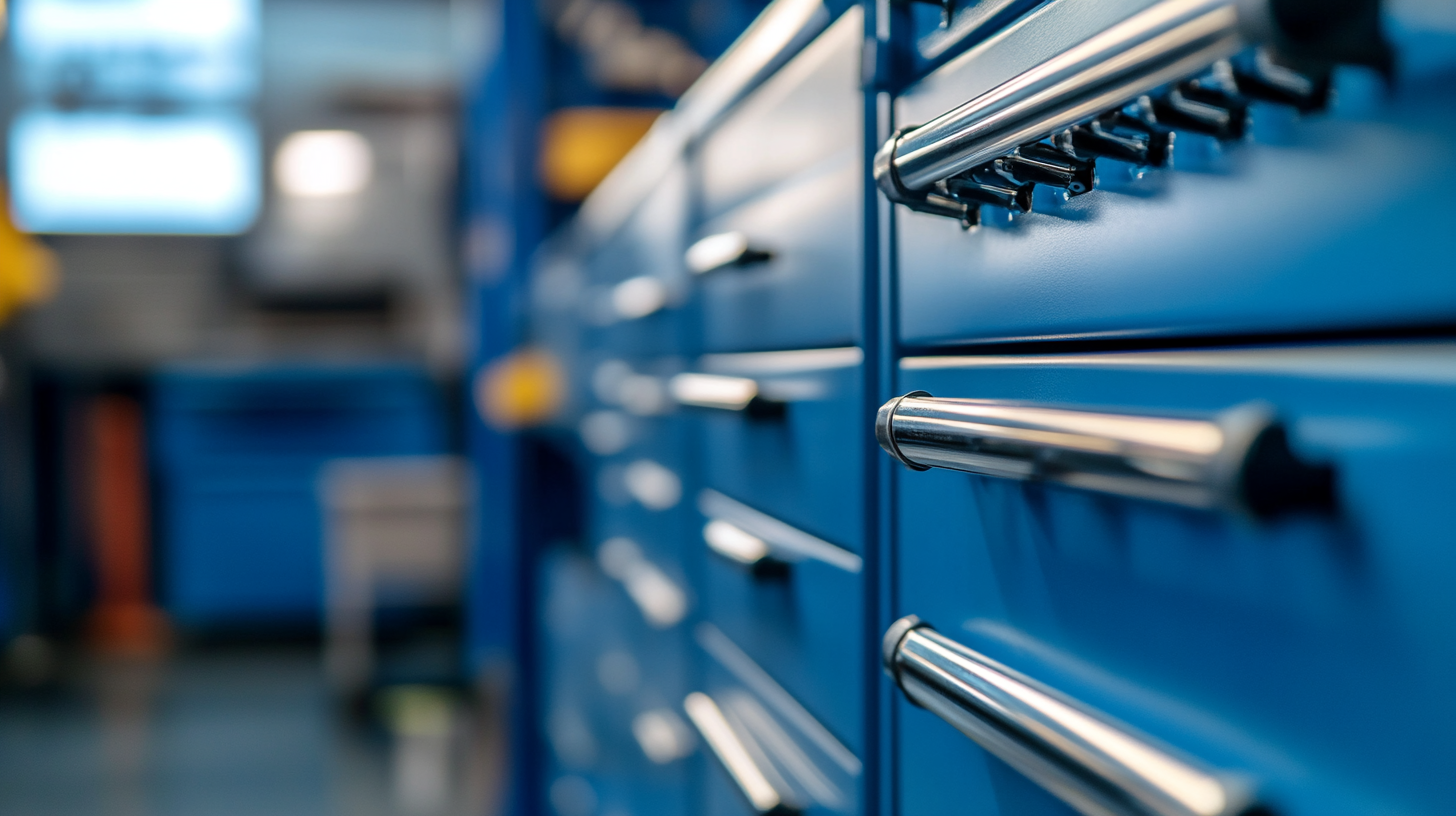
Often, the value of office cabinets is overlooked by organizations in hopes of gleaning mere storage. Because unlocking the entire potential of your office cabinet investment involves aftermarket service and maintenance strategies, thus far, the Office Furniture Industry Association has also mentioned in its new report that with these proper maintenance and service, the lifespan of office cabinets can be extended by an average of 20-30% so that the truly worth of cabinets can be realized. The first factor to consider for cabinet value maximization is the introduction of a scheduLED maintenance plan. Studies have found that organizations that maintain furniture regularly result in companies that save almost 25% from replacement costs in the long run. This is crucial when considering heavy-use office settings, where wear and tear can impede the cabinet's appearance and performance. Simple things like fixing loose hinges or treating scratches can keep up not only the outward appearance but also the usefulness of the cabinet in office work. Beyond maintenance, aftermarket services such as customized apps and upgrades are avenues through which the utility and functionality of office cabinets can be maximized. According to a Global Workspace Industry Group report, 60% of businesses that customized office furniture derived benefits in employee satisfaction and productivity. Whether it is repositioning shelves to coordinate with new materials or including technologies such as charging stations, these customized options will transform cabinets into true contributors to productivity within the workplace. Eventually, a shift towards a proactive approach will allow for sound operational decisions, and the assets will deliver increased value in the long run from investments made in office cabinets.
For the increased lifespan of office cabinets, effective strategies of aftermarket service should be applied. As per the survey report of the International Facility Management Association (IFMA), office furniture can live 50% longer if properly preserved. Value placed on maintenance regarding office cabinets is significant given their prime roles in organized workspaces.
A strategy that can ensure into the longest possible life for office cabinets involves periodically checking the office cabinets to identify early signs of wear and tear or damage. A survey released by the Furniture Institute of Technology states that 70% of furniture-related complaints could be prevented by proper and timely maintenance practices. An arrangement of routine inspection and checkups ensures that all those minor repairs are streamlined and taken care of before becoming bigger and costlier replacements.
Another such successful maintenance program would be training employees in the proper use and maintenance of office furniture. The survey released by the National Office Furniture Association reveals that misuse rather than poor manufacturing causes 60% of office furniture damage. Therefore, clear-cut guidelines and training would secure a considerable reduction in cases of accidental damage, hence making maximum return from office cabinets.
Last but not least, the greatest part of savings was made by using aftermarket parts rather than a complete replacement. According to the Global Asset Protection Agency report, the savings on furniture costs for businesses going through aftermarket service was about 30%. With these carefully designed strategies, organizations would not only prolong the lives of cabinets, but they could also save costs on maintenance, thus giving way to a more sustainable office environment.
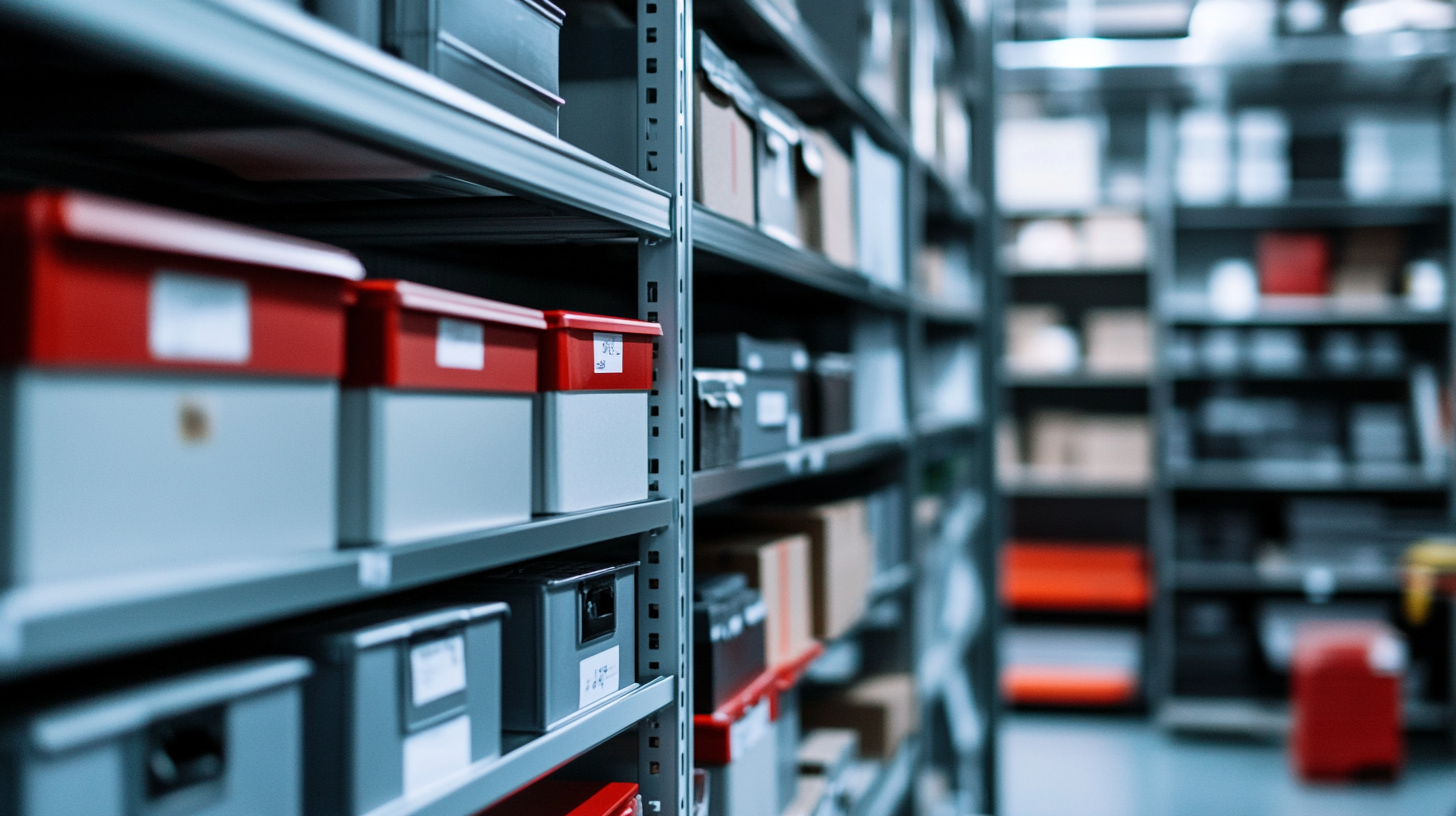
Understanding maintenance costs is important for maximizing the value of office cabinets. Like other workplace investments, cabinets need to be regularly maintained to ensure functionality and aesthetic appeal. These costs are variable depending on materials, usage, and maintenance practices. An understanding of these costs would allow businesses to develop a good budget and thus enhance their planning processes.
Concerning maintenance planning, companies should proactively pursue implementing regular inspections and scheduled maintenance jobs. This helps in flagging potential issues before they turn into costly repairs and also considerably extends the cabinet lifetime. Just as businesses are embracing modular technology for improved effectiveness, clean maintenance programs will offer more streamlined operations with least downtime, letting employees spend more of their time on productivity instead of dealing with unplanned failures of cabinets.
The aftermarket services strategy can also be important in controlling maintenance costs. Investment in warranties, modifications, and professional cleaning helps safeguard the initial investment as well as save money afterwards. Such considerations, paired with good operational planning, would enable companies to find ways to sustain these expenses and plan infrastructure investments, hence resulting in better returns on the investment for office infrastructure.
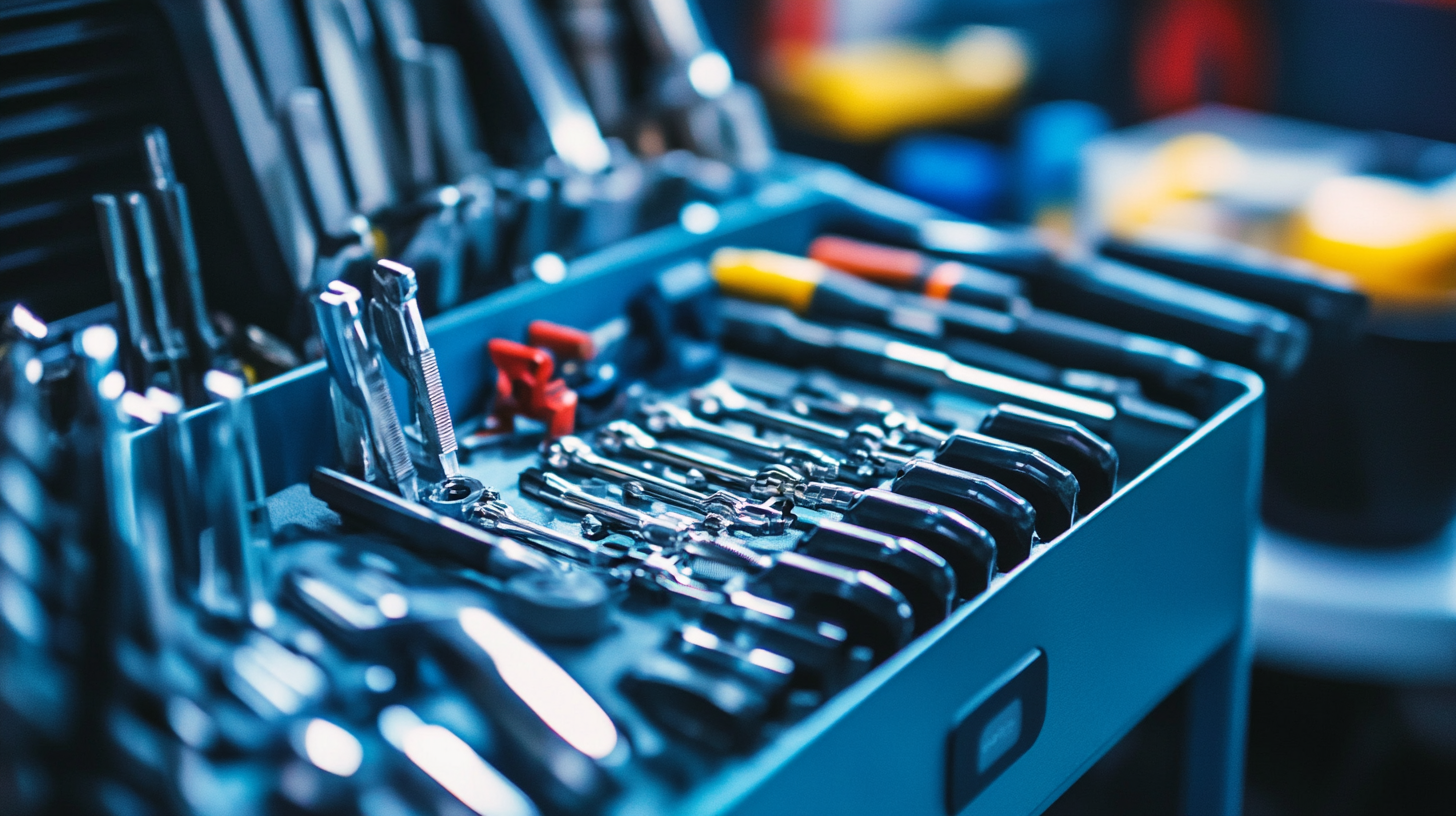
In order to properly maintain your office cabinets, various procedures need to be put in place. A good maintenance program can save money but also stimulate better morale in the workplace. Regular inspections should be in place so that problems can be detected before they escalate. This will allow for better cabinet integrity, ensuring that their story works.
Equipment, after-marketing, may largely enhance the maintenance process. Such services would normally involve giving special training to staff and instructing them on cabinet care best practices. Knowledgeable staff reduce improper use-related damage risks. In conjunction with these, establishing digital management systems to monitor and track maintenance schedules and service histories will improve data access and support better decisions.
Ensure quality parts are used for replacement when possible. Aftermarket parts may offer an economically wise repair alternative that keeps repairs affordable while also prolonging the service life of your office cabinets. Now amalgamate these procedures, and make your maintenance strategies smarter: It will ensure these office cabinets will remain assets and not burdens. Adoption of such procedures promotes an organized, efficient, and good-looking office environment leading to improved overall productivity.
With the increasing competitiveness of today's markets, organizations are beginning to realize the need for efficient office cabinet management. When it comes to maintenance, two very different approaches can be taken - preventive maintenance and corrective maintenance - and the choice between the two can play an important role in dictating the longevity and useful life of office furniture assets.
Preventive maintenance involves regularly scheduled inspections and maintenance to help avoid small problems becoming great big expenses. According to the International Facility Management Association (IFMA) survey, the introduction of preventive measures can lead to savings of almost 30% in maintenance costs. This is doing a great favor for any office by prolonging the life of office cabinets while improving the overall working environment. By dealing with problems before they arise and separate the operational functioning, it allows for the uninterrupted workings of the organization and the ensured accessibility of employees and their work in the given space.
Reactive maintenance, the other side of the maintenance spectrum, has proven to become ruinously expensive, with high-impact effect of disruptions on operations. The increased costs arise because the Department of Energy says reactive maintenance can cost organizations up to five times more than comparable proactive maintenance when production losses and capital costs associated with equipment replacement are considered. Organizations ignoring the benefits of preventive maintenance will be forced to deal with frequent repairs, leading to an unhappy workforce and a significantly weakened bottom line.
Therefore, selection between proactive and reactive maintenance is determined by the actual needs and available resources of any given organization. However, by investing in proactive efforts, one can save the organization a considerable sum of money, ensuring more profitable use of the workplace, which is a good thing for any organization's long-term viability.
Inspections in offices are important not only for keeping equipment such as office cabinets in good condition but also for workplace health and safety. Recent studies predict a staggering 77% rise in global cancer cases by the year 2050. The need for proactive measures, in this case, cannot be emphasized enough. Regular inspections of equipment can find hazards in a given workplace before a problem becomes serious, just like early detection can save lives when it comes to cancer.
Organizational inspection schemes enable regular intervention for minor maintenance that could be harmful to the repair or replacement of the equipment in the long run. This especially applies where office cabinets are often used to store potentially dangerous materials. Research indicates that the proper implementation of inspection schemes protects organizations from repair costs while extending the lifespan of their assets. The preventive maintenance program might save up to 30% of costs according to research, which is a major point for today's competitive market.
Then there are the inspections, which can establish a culture among employees about the health and safety of their workplaces. Similar to public health campaigns advocating health checks to avoid serious conditions, organizations could also consider promoting the regular checks of their office equipment. This would protect not only the physical assets of the organization but would also contribute to the welfare of their workforce while at the same time minimizing accidents caused by neglected maintenance.
Thus, in the contemporary technical world, the computer being a central tool for effective cabinet maintenance tracking has become an important enhancer of value for cabinets in the office. Maintenance optimization, through the use of advanced digital solutions like AI, big data, and cloud computing, would imply that the cabinets are kept in their best condition for performance. These technologies will help businesses monitor usage patterns, predict maintenance needs, and minimize downtime, thus feeding into the overall productivity of the workplace.
For instance, a cloud-based tracking implementation can provide real-time data examination of the status of office cabinets. This foreseeing strategy optimizes maintenance scheduling and helps cut down on unnecessary costs for repairs. With properly employed systems in place, companies can set alerts on maintenance checkups so that the detection and fixing of certain issues can occur before becoming costly problems.
Furthermore, if traditional maintenance methods are integrated with the trendy ones, a holistic view of asset management can be obtained. Each system will help interpret analytics so that decisions can be made as to whether to invest resources into cabinet replacement or refurbishing it, benefiting the allocation of resources and savings. Therefore, the incorporation of recent technologies into cabinet maintenance is perceived not just as an investment but as a concrete step toward better productivity and lower long-term cost.
Constructing a sustainable maintenance schedule for office cabinets is important for maximizing their worth at any time. In fact, the effective maintenance of these office pieces increases their lifespan while also drastically reducing operational costs. According to the facilities management association, the implementation of proactive maintenance would, therefore, save an organization up to 30% of long-term maintenance costs compared to reactive maintenance schemes.
One of the most effective practices would be to introduce a predictive maintenance system similar to what ZF proposes with its TraXon transmission. Such a digital solution allows companies to use a schedule that links the frequency of actual usage to maintenance, instead of having arbitrary schedule periods. By using data analytics to keep track of wear and tear, organizations would determine their optimal maintenance times for cabinets, so that downtime will be minimal, and usability in maximum condition is ensured. Research proves that unplanned downtimes can be curbed down by 50% using predictive maintenance, which would enable more economical and efficient operations.
Creating a maintenance checklist along with established procedures to solve any emerging problems helps keep the office cabinets in peak condition. Regular inspections can detect early the signs of impending problems and save costs on repairs, thus prolonging the life of cabinets. Applying investment into well-documented maintenance schedules makes a culture of care to seep in work places ultimately leading to enhanced productivity. The incorporation of these strategies, as the office context evolves, will become increasingly inevitable in retaining the aesthetics and functionality of office cabinets.
Understanding maintenance costs is essential for maximizing the value of office cabinets, allowing businesses to create accurate budgets and enhance planning processes.
Proactive maintenance involves regular inspections and scheduled upkeep to prevent minor issues from escalating into major expenses, ultimately extending the lifespan of office cabinets.
Implementing proactive maintenance can reduce overall maintenance costs by up to 30%, according to the International Facility Management Association (IFMA).
Reactive maintenance, or the "fix-it-when-it-breaks" approach, can lead to costs that are up to five times higher than proactive strategies due to equipment replacement and lost productivity.
A sustainable maintenance schedule helps maximize the value of office cabinets, prolongs their lifespan, and can significantly reduce operational costs.
Predictive maintenance utilizes data analytics to adjust maintenance schedules based on actual usage frequency, minimizing downtime and maximizing cabinet usability.
Regular inspections help identify potential problems early, preventing costly repairs and extending the life of office cabinets.
Investing in warranties, upgrades, and professional cleaning services can protect the initial investment and potentially save money in the long run.
By ensuring reliable access to workspaces through effective maintenance, employees are less likely to experience disruptions, which enhances overall productivity.
Proactive maintenance not only saves costs but also creates a more efficient and stable working environment, contributing to long-term success.