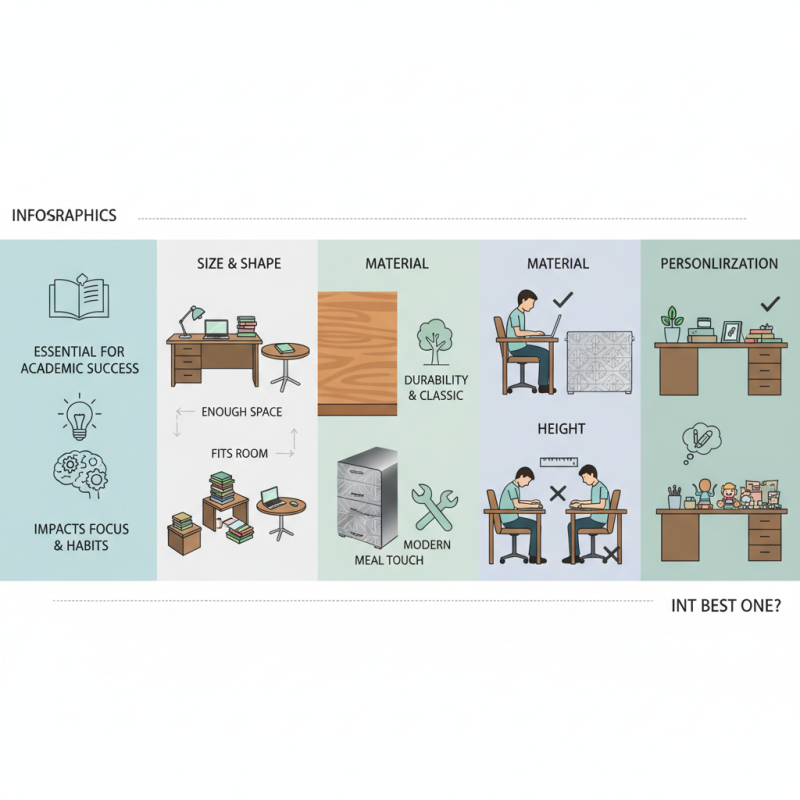
A study table isn’t just any piece of furniture — it’s actually pretty important for your academic success. Picking the right one can really make a difference in how you study and stay focused. When choosing your table, think about size and shape. A cluttered space can be super distracting, so find something that fits nicely in your room and has enough room for your books, laptop, and maybe a few other essentials.
The material matters too. Wooden tables are classic — durable and warm-looking. On the other hand, metal ones can give your space a modern vibe, but they might not feel as cozy. And don’t forget about height! If your table’s too low or too high, it can lead to some awkward wonky posture, especially during long study sessions.
Personal touches are also a big deal! Adding a few decorations can boost your creativity, but be careful — piling on too many things can just make your space feel chaotic. Think about what actually helps you concentrate and go from there. In the end, the perfect study table should match your personal study style and feel just right for you.
What is a Study Table?
A study table, often referred to as a Study Desk, serves as a dedicated space for academic work. This table is designed to enhance focus and productivity. Typically, it features a flat surface, drawers for storage, and enough space for books and a computer. The right study table can significantly impact one's study habits and overall efficiency.
Choosing the perfect Study Desk requires consideration of various factors. Size is crucial; it should fit comfortably in your space. A cluttered area can hinder concentration. The height of the desk matters too. A table that is too high or too low can lead to discomfort during long study sessions. Ergonomics should not be overlooked. An awkward posture can cause fatigue and distraction.
Moreover, aesthetics play a role in motivation. A visually appealing study table can encourage longer study hours. Personalization of this workspace can enhance comfort and creativity. Think about adding a lamp or organizing supplies. In the end, the best study desk is one that aligns with your specific needs and preferences, while also encouraging a positive study environment.
Key Features of an Ideal Study Table
When choosing an ideal study table, several key features should be considered. A well-designed study table enhances productivity and comfort. Ergonomics is vital; an adjustable height option can drastically improve posture. Research indicates that ergonomic furniture can reduce discomfort by up to 30% (Source: Ergonomics Journal). A solid surface with sufficient space for books and a laptop is essential as well.
Another important feature is storage, like drawers or shelves. Keeping study materials organized can save time and reduce distractions. According to a 2021 study by Workspace Research Institute, organized workspaces boost focus and efficiency by approximately 25%.
Lighting also plays a critical role. A study table should allow for good natural light or be compatible with lamps to reduce eye strain during extended study sessions.
Material quality shouldn't be overlooked either. A sturdy table made from durable materials ensures longevity. Cheaper tables may warp or damage easily. This can lead to additional costs over time, negating the initial savings. Choosing the right accessories, such as a quality chair, can further enhance the study experience. Remember, an ideal study table is not just about aesthetics; it must support a conducive learning environment.
Benefits of Using a Study Table for Students
A study table is more than just a piece of furniture. It’s a dedicated space for learning. For students, using a study table can enhance focus and productivity. With a proper study table, distractions are minimized. This clear separation between study and leisure is crucial for better concentration.
When choosing a study table, consider functionality. It should accommodate your books, laptop, and stationery easily. A clutter-free surface aids in maintaining mental clarity. Pair it with a comfortable Study Chair. Ergonomics plays a vital role here. A supportive chair helps maintain good posture during long study sessions.
Feeling comfortable while studying is essential. Sometimes, students overlook the physical comfort they need. An uncomfortable setup can lead to fatigue and distraction. Reflecting on your study environment can lead to adjustments that improve efficiency. Investing time in selecting the right furniture is worthwhile for academic success.
Factors to Consider When Choosing a Study Table
Choosing the right study table is essential for creating an effective learning environment. Begin by considering the size. A spacious table allows for books, laptops, and notes. However, a large table may overwhelm a small room. Measure your space first. A compact model might be perfect for a dorm.
Next, think about the design. A simple, minimalistic table helps reduce distractions. However, vibrant colors can enhance creativity. It's essential to strike a balance. The material of the table also matters. Wooden tables provide warmth, while metal options offer durability.
Lighting is another crucial factor. A study table near a window benefits from natural light. Yet, artificial lighting is vital for evening study sessions. Consider using a dedicated desk lamp as well. Remember to pair your study table with a comfortable Study Chair Nz for optimal productivity. The right chair complements the table and promotes good posture. Finding the perfect combination often requires trial and error, which is part of the journey.
Types of Study Tables: Pros and Cons
When selecting a study table, understanding the different types is crucial. Each type comes with unique advantages and disadvantages that can impact your study habits. A traditional desk offers a spacious surface and often includes drawers for storage. However, these may occupy more space and be less ergonomic. Research indicates that an ergonomic study table can reduce discomfort and improve focus, increasing productivity by up to 20%.
On the other hand, folding study tables are gaining popularity for their versatility. They save space and can be easily stored away. Yet, they might lack sturdiness and often have less surface area. Many users find that stability is essential for concentration, which is critical for effective study. A 2022 industry report highlighted that 70% of students prefer a solid, reliable workspace, emphasizing the value of sturdier options in Study Furniture.
Tips for choosing a study table include assessing your available space and considering your study habits. If you frequently move, a lightweight table might suit your needs. Conversely, if you have a designated area, invest in a more robust desk. Remember, the right study table can significantly enhance your learning experience while supporting your overall well-being.
How to Arrange Your Study Table for Maximum Productivity
Arranging your study table can significantly impact your productivity. A cluttered space often hampers focus. It's essential to start with a clean surface. Remove items that don't serve a purpose. Only keep what you need for studying. This can include notebooks, pens, and a computer. A well-organized table reduces distractions.
Consider the layout. Position your chair and desk to promote good posture. A Comfortable Chair can make a difference. Ensure your screen is at eye level. This minimizes strain on your neck. Good lighting is also crucial. Usenatural light where possible. If not, a dedicated desk lamp can help.
Add personal touches to keep motivation high. A small plant or a picture can provide comfort. However, be careful with decorations. Too many can lead to distractions. Evaluate your setup regularly. What works today may not suit your needs tomorrow. Tweak your arrangement as necessary to keep improving your study environment.
Tips for Maintaining and Caring for Your Study Table
Maintaining your study table is vital for creating an inspiring workspace. Regular care can enhance its longevity. Dust accumulation can affect aesthetics and your health. Aim to clean it weekly using a soft cloth. Avoid harsh chemicals that can damage the surface.
Consider the arrangement of items on your table. Clutter can lead to distraction. Evaluate what you truly need on your table. Perhaps remove items that haven't been used recently. A minimalistic approach can boost focus and efficiency.
Pay attention to the condition of your table. Look for signs of wear and tear. Small scratches can be addressed promptly with touch-up paint. If the table wobbles, check that all screws are tight. Create a habit of inspecting your workspace regularly. This practice can help maintain your table's functionality over time.
Study Table Features and User Preferences
FAQS
: Start with size. A larger table fits more items but may overwhelm small spaces. Measure your area first.
Design affects focus. Minimalistic styles reduce distractions. Bright colors may boost creativity. Balance is key.
Wooden tables offer warmth. Metal tables provide durability. Choose based on your personal needs and preferences.
Good lighting is crucial. Natural light is ideal, but a desk lamp is necessary for evening work.
Yes, a comfortable chair complements the table. It promotes good posture and enhances productivity.
Start with a clean surface. Keep only essentials like notebooks or pens. Clutter can severely reduce focus.
Position your chair for comfort. Ensure the screen is at eye level to avoid neck strain.
Yes, small items like plants or pictures add comfort. Just don’t overdo it; too much decor can distract you.
Regularly assess your arrangement. What works today may not work tomorrow. Adjust as needed for continuous improvement.
Conclusion
A study table is a dedicated workspace designed to enhance focus and productivity for students and professionals alike. When choosing the best study table, it's important to consider key features such as size, height, and storage options that cater to individual needs. The benefits of using a study table include improved organization, a designated space for learning, and increased comfort during study sessions.
Factors to consider when selecting a study table include the available space, the ergonomic design, and the style that fits one's personal taste. Exploring different types of study tables, along with their pros and cons, can help in making an informed choice. Additionally, arranging the study table to minimize distractions and maintain an orderly environment can significantly boost productivity. Regular maintenance and care for the study table will ensure it remains a functional and aesthetically pleasing part of your study routine.