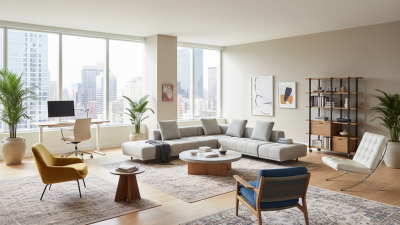
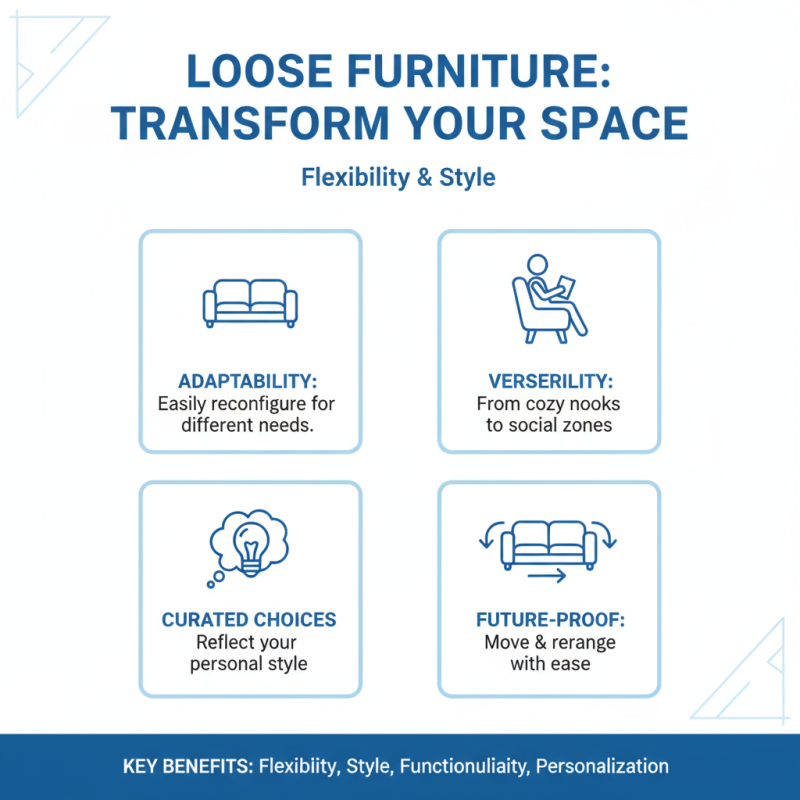
Loose furniture really plays a huge role in modern interior design—it's all about adding flexibility and style to a space without going overboard. I came across a report from the International Furniture Fair, and it’s pretty exciting: they say the loose furniture market is expected to grow by around 7% every year. That just shows how much people are craving furniture that can be moved around and adapted to fit different needs. Emily Harris, an industry pro, sums it up well: "Loose furniture can totally change the vibe of a room, letting you express yourself while still being practical and functional."
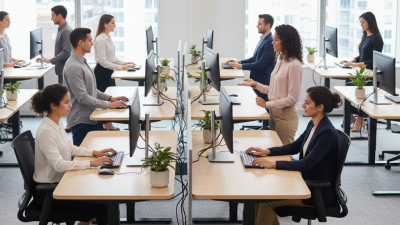
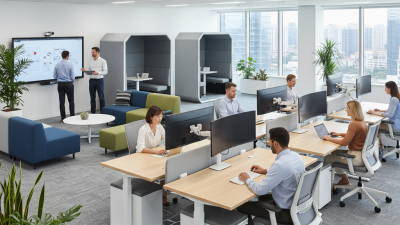
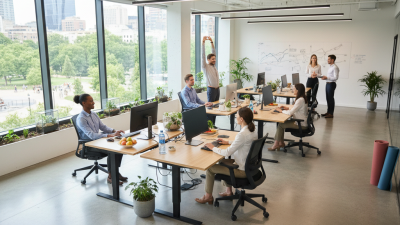
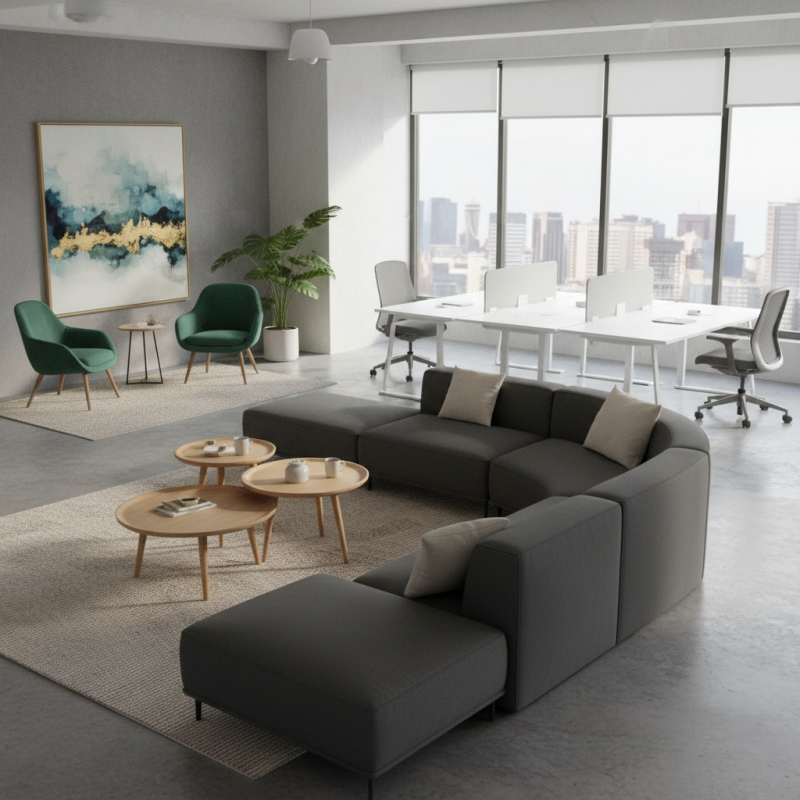
In office spaces, using loose furniture isn't just about looks. It actually encourages collaboration and sparks creativity. Think modular sofas or movable tables—they can completely change how a room feels and works depending on the team’s needs. According to research from the Office Design Institute, workplaces with loose furniture tend to see about a 20% boost in employee happiness. Of course, if you’re not careful and just throw furniture together haphazardly, it can get cluttered pretty quickly and mess up the flow of the space—and nobody wants that.
Plus, when you pick the right pieces, loose furniture can match style with comfort perfectly. Brands like Flexform and Herman Miller really get this idea. But, honestly, it’s super important to think about your space’s size and how everything flows before choosing what to get. Finding that sweet spot between looks and practicality can be tricky, but totally worth it. When done right, loose furniture can make any environment feel more welcoming and lively, don’t you think?
What is Loose Furniture?
Loose furniture refers to movable pieces that add flexibility to a space. This includes chairs, tables, and sofas. Unlike built-in furnishings, loose items can be rearranged easily. This adaptability allows for personal expression and comfort. You can change the layout or update the look without major renovations.
Designing a room with loose furniture creates a dynamic atmosphere. You can create cozy groupings or wide-open spaces based on your needs. Adding a few colorful cushions can brighten up a dull corner. On the other hand, it may lead to clutter if not carefully arranged. Consider the flow of the room and how each piece interacts. A well-placed armchair near a window invites relaxation but overcrowding can suffocate the ambience.
It's essential to evaluate your choices. Do you really love that oversized coffee table, or is it just filling space? Experimenting with loose furniture can be fun, but it requires thoughtful consideration. Spaces evolve, and so should your furniture arrangement. Embrace the changes and let your space reflect who you are.
Characteristics of Loose Furniture
Loose furniture refers to movable pieces that allow for flexibility in design. This type of furniture includes chairs, tables, and shelves that are not fixed to the floor. One distinctive characteristic of loose furniture is its adaptability. You can rearrange it easily to fit your mood or the occasion. Whether you're hosting a gathering or enjoying a quiet evening, these pieces can enhance your space.
The aesthetics of loose furniture also play a vital role. They come in various styles, from minimalist designs to more eclectic options. This variety can cater to different tastes and preferences. A well-placed chair can create an inviting corner in a room. However, it’s essential to consider scale. Large pieces in a small room might overwhelm the space, making it feel cramped. Balancing size and proportion is key to achieving harmony.
Functionality is another characteristic worth noting. Loose furniture often serves dual purposes, such as ottomans that provide storage. These practical features can maximize your space efficiently. Nonetheless, remember that too many pieces can lead to clutter. It's a fine line to walk between style and chaos. Reflecting on your needs can help in making better choices.
What is Loose Furniture and How Can It Enhance Your Space? - Characteristics of Loose Furniture
| Characteristic | Description | Benefits |
| Versatility | Loose furniture can be easily rearranged to suit different activities and styles. | Allows for dynamic space usage and personal customization. |
| Comfort | Designed with ergonomics in mind, providing comfort during use. | Enhances user experience and encourages longer usage times. |
| Aesthetic Appeal | Available in various styles, colors, and materials to match any decor. | Elevates the overall look and feel of a space. |
| Mobility | Generally lightweight and easy to move around. | Facilitates quick changes in layout and functionality. |
| Functionality | May serve multiple purposes, such as seating, storage, or display. | Increases utility in smaller spaces or multipurpose rooms. |
Types of Loose Furniture for Different Spaces
Loose furniture is versatile and functional, making it a perfect choice for various spaces. In living areas, pieces like poufs and side tables can be rearranged easily. You can create cozy nooks or open layouts depending on your mood. A small coffee table may also serve as a makeshift dining spot during gatherings.
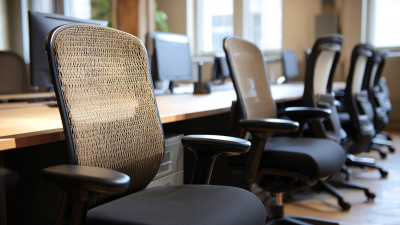
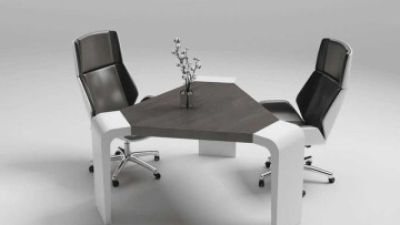
In offices, loose furniture plays a key role. Office Furniture can include movable desks and ergonomic chairs. This flexibility encourages collaboration among team members. Arranging furniture differently may boost creativity but often requires trial and error. Understanding what works best for your team could take time.
Dining spaces benefit from loose furniture too. Lightweight chairs allow for easy movement. A large, extendable table can accommodate guests during events. However, balancing style and comfort may be challenging. Ensuring every piece complements the ambiance without overwhelming the space is not straightforward.
Types of Loose Furniture and Their Impact on Space
Benefits of Using Loose Furniture in Interior Design
Loose furniture plays a vital role in enhancing interior spaces. This type of furniture is not fixed to walls or floors, allowing for adaptability. According to a report by the American Society of Interior Designers, incorporating loose furniture can increase spatial flexibility by up to 40%. This is particularly beneficial for urban living, where space is often limited.
Using loose furniture creates a dynamic environment. It encourages movement and interaction. Studies show that flexible spaces promote creativity and collaboration. For instance, in office settings, City Furniture Office Furniture has proven to facilitate better communication and teamwork. The arrangement can easily be modified for different occasions, addressing both comfort and functionality.
Tip: Consider varying the height and style of your loose furniture. This can break monotony and add visual interest. Always remember to leave enough open space for easy navigation. Reflect on how you can shift your furniture configuration regularly. It's an easy way to refresh your space without major renovations. Embrace the freedom that loose furniture provides; it can truly transform your environment.
Creative Ways to Arrange Loose Furniture
Arranging loose furniture can dramatically transform your space. Think about the flow of movement. Place chairs in a way that encourages conversation. A small table can serve as a centerpiece. Use it for drinks or display small plants. The arrangement should feel inviting, yet functional.
Experiment with different layouts. Try pushing a sofa against the wall for a minimal look. Or, place it centrally to create a cozy nook. Consider adding an area rug to define the space. It adds warmth and texture. Don't be afraid to mix styles or colors. This can create a less conventional and more engaging environment.
Reflect on how you use each piece. Is that chair really comfortable? Can that table serve another purpose? Sometimes, less is more. Aim for a balance between style and functionality. Observe what works and what doesn't. Make adjustments as you go. Your space should evolve with you.
Choosing the Right Loose Furniture for Your Needs
Choosing the right loose furniture can transform your space dramatically. Loose furniture offers flexibility and style. It can adapt to different needs and occasions. Whether it's for a cozy reading nook or a vibrant gathering area, choosing wisely is crucial.
Consider the size of your space. Large furniture can overwhelm a small room. On the other hand, tiny pieces might get lost in spacious areas. Ensure your choices fit both your style and functionality. Measure your floor before shopping. This prevents costly mistakes.
**Tips:** Think about the color scheme in the room. Choose furniture that complements or contrasts well. A bold couch can serve as a statement piece. Don’t forget to think about material. For example, leather or fabric can change the room's feel completely.
Consider how often you use the space. If it’s a high-traffic area, opt for durable options. American Furniture Office Furniture often comes in practical designs. They can provide comfort without sacrificing style. Look for pieces that can be easily moved. This gives you the freedom to rearrange your layout anytime.
Maintenance Tips for Loose Furniture to Enhance Longevity
Loose furniture adds flexibility and style to any space. However, maintaining it properly is essential for longevity. Industry reports suggest that furniture can last 15-20 years with the right care, but many overlook this important aspect.
To enhance the lifespan of loose furniture, consider regular cleaning. Dust and grime can accumulate quickly. Wipe surfaces with a soft cloth and mild cleaner at least once a week. For wood pieces, using a gentle polish can bring back their shine and protect the surface.
Another essential tip is to rotate cushions and upholstery. This simple act helps to prevent uneven wear. Additionally, avoid placing loose furniture in direct sunlight. Prolonged exposure can fade colors and weaken materials. Nbr Furniture emphasizes that small actions can lead to significant improvements over time. Sometimes, we forget that a little care today makes all the difference tomorrow.
Transform Your Workspace with Stylish Baking Lacquer Office Furniture: A Guide to Modern Elegance and Functionality
Transforming your workspace with stylish baking lacquer office furniture can significantly elevate both aesthetics and functionality. The baking lacquer series exemplifies modern elegance, utilizing a sophisticated manufacturing process that includes fine grinding, priming, drying, and polishing. Made predominantly from MDF, these pieces boast exceptional corrosion and waterproof resistance, making them ideal for today's dynamic office environments. According to industry reports, high-grade office furniture like this has been shown to enhance both employee productivity and workplace satisfaction, reinforcing the importance of a well-designed workspace.
The versatility of baking lacquer finishes—available in glossy, matte, and metallic options—adds a striking visual element to office interiors. The vibrant colors provide a strong visual impact that can energize a workspace while remaining highly durable. Notably, the baking paint process ensures high hardness and stability in the coating, preventing fading and allowing for easier maintenance. Cleaning becomes a hassle-free task as surfaces are designed to resist oil seepage and are moisture-proof. A well-documented study highlights that aesthetically pleasing office environments contribute to increased creativity and collaboration among teams, reinforcing the value of investing in quality furniture.
In addition to their stylish appearance, baking lacquer office furniture pieces are designed for real-world functionality. They offer easy upkeep while maintaining a sleek, polished look that can complement any Modern Office decor. As more organizations recognize the correlation between workspace design and employee performance, investing in high-grade furnishings becomes a strategic decision—one that aligns with trends towards enhancing office aesthetics without compromising practicality.
FAQS
: It aims to enhance user experience and improve efficiency in daily tasks.
Follow the provided instructions carefully. Testing different settings may help find what works best.
Yes, always ensure proper usage. Avoid any situations that may lead to accidents or misuse.
Most common issues can be resolved with basic troubleshooting steps. Check the manual for guidance.
Keep calm. Refer to the troubleshooting section. If problems persist, seek help from support.
Yes, check the details for coverage. It offers reassurance, but always read the terms.
Regular cleaning and careful handling are important. Neglect can lead to performance issues.
Usually, yes. Return policies vary. Be aware of the time limit for returns.
Feedback can usually be submitted through the provided channels. Your insights are valuable for improvement.
Some support options may be available online. Check for any resources that are provided outside regular hours.
Conclusion
Loose furniture refers to movable pieces that are not fixed to the walls or floor, allowing for flexibility in interior design. This type of furniture includes sofas, chairs, tables, and other elements that can be easily rearranged to suit various functions and aesthetics in a space. The characteristics of loose furniture emphasize versatility, allowing homeowners to adapt their environments according to changing needs or styles.
The benefits of using loose furniture in interior design are significant, as it can enhance space utilization, create dynamic layouts, and reflect personal style. Creative arrangements can transform a room's atmosphere, making it feel more inviting or functional. When choosing the right loose furniture, one should consider personal preferences, durability, and maintenance tips to ensure longevity. By understanding the different types and strategic arrangements of loose furniture, one can greatly enhance the overall appeal and functionality of any living space.